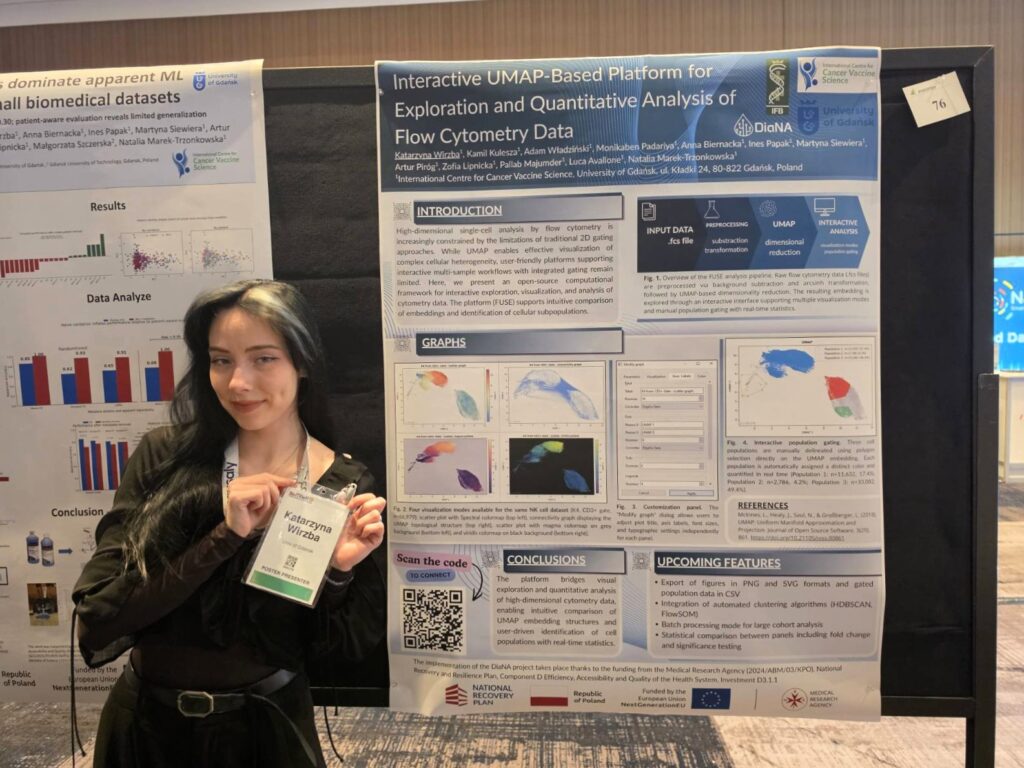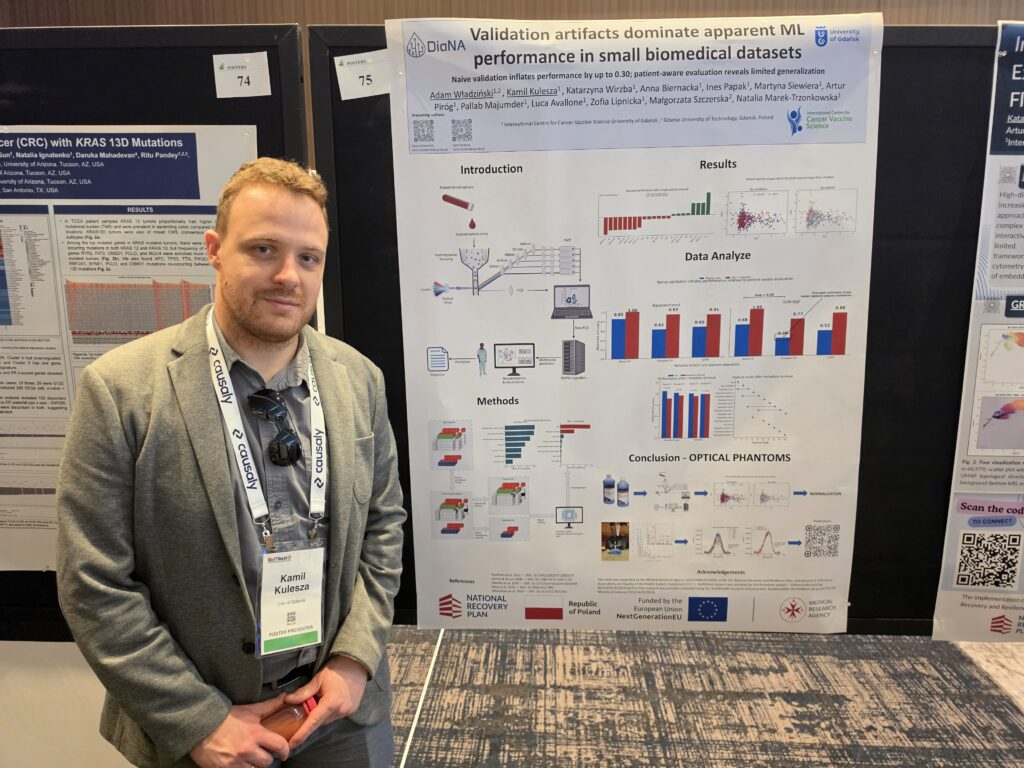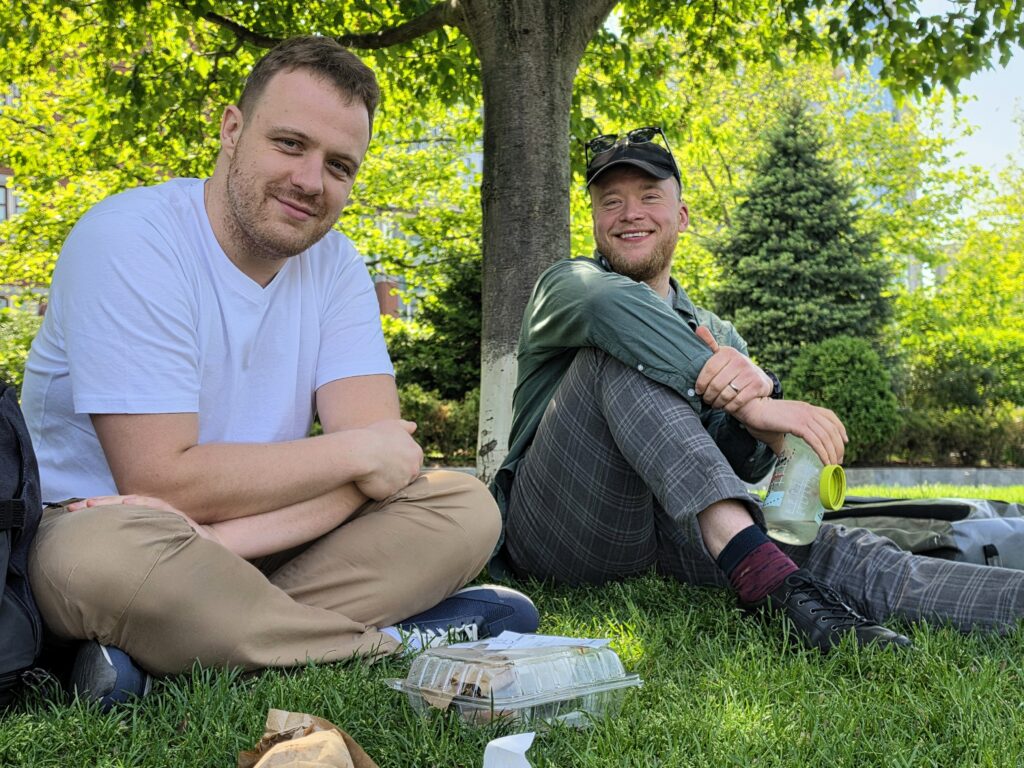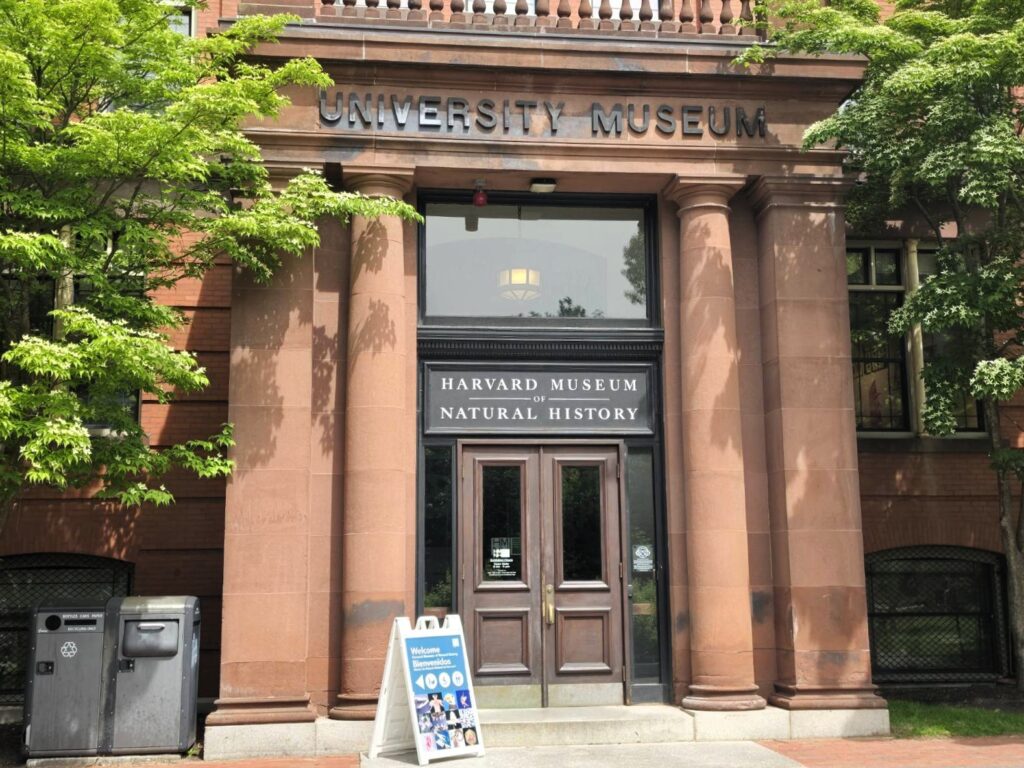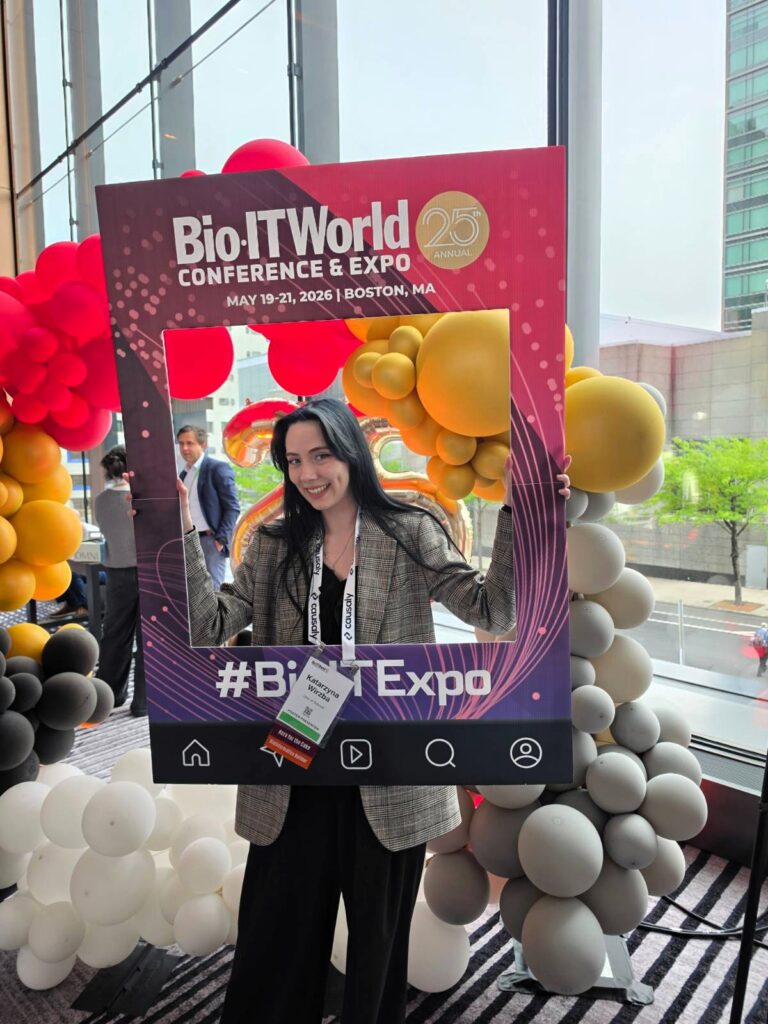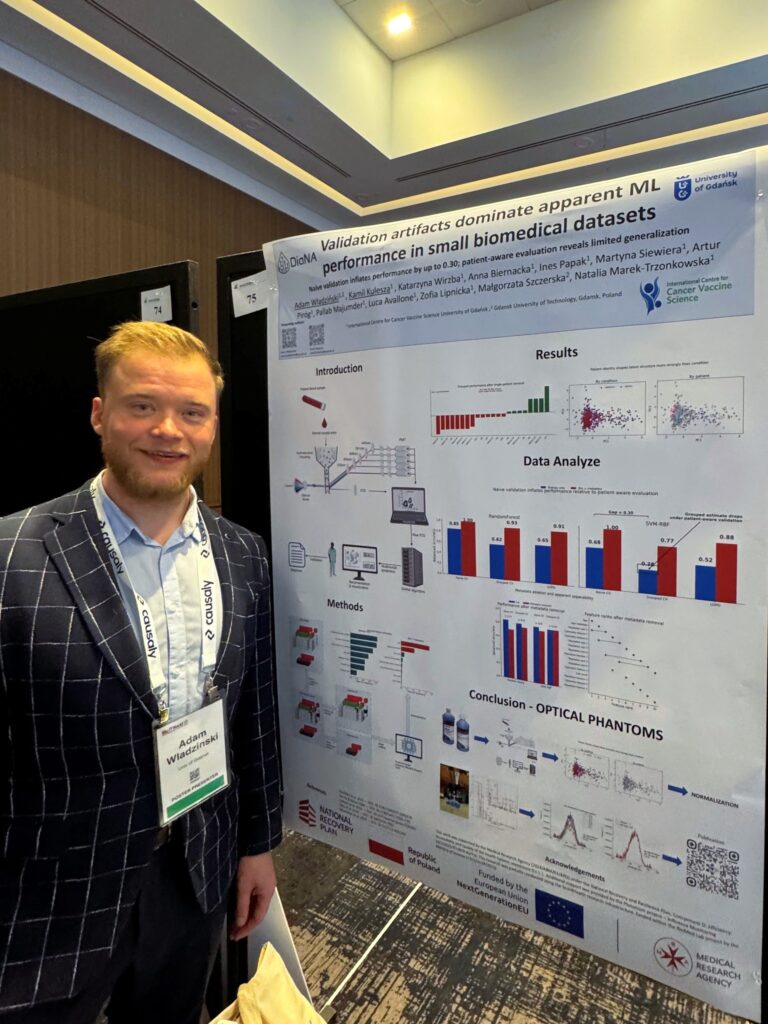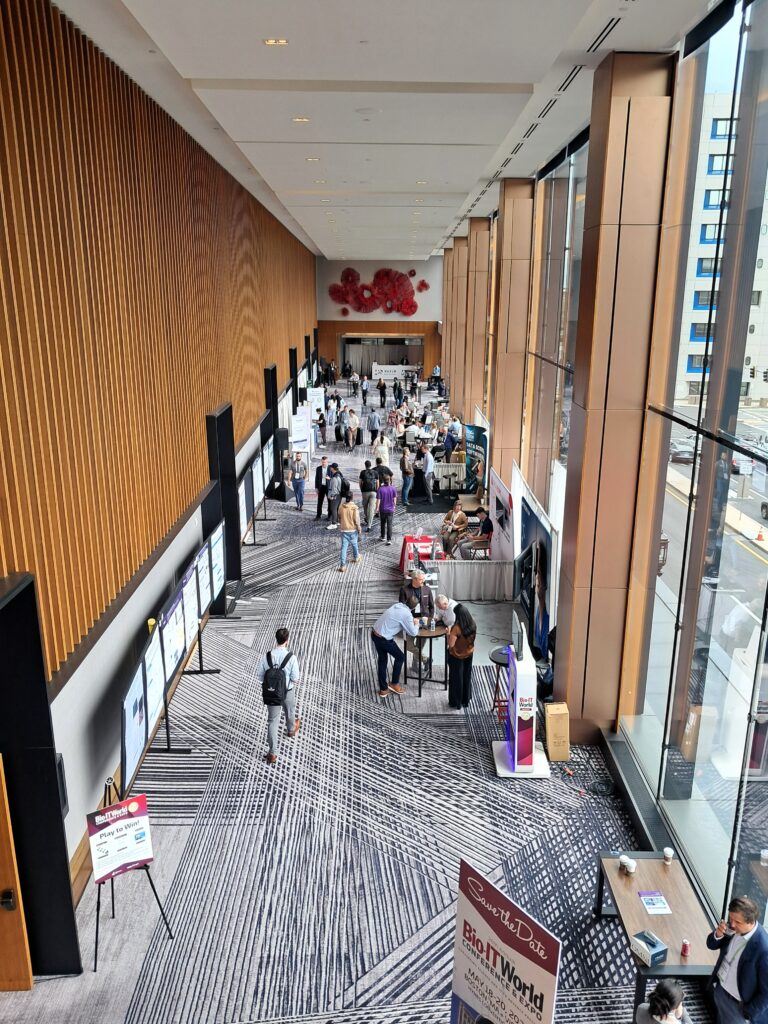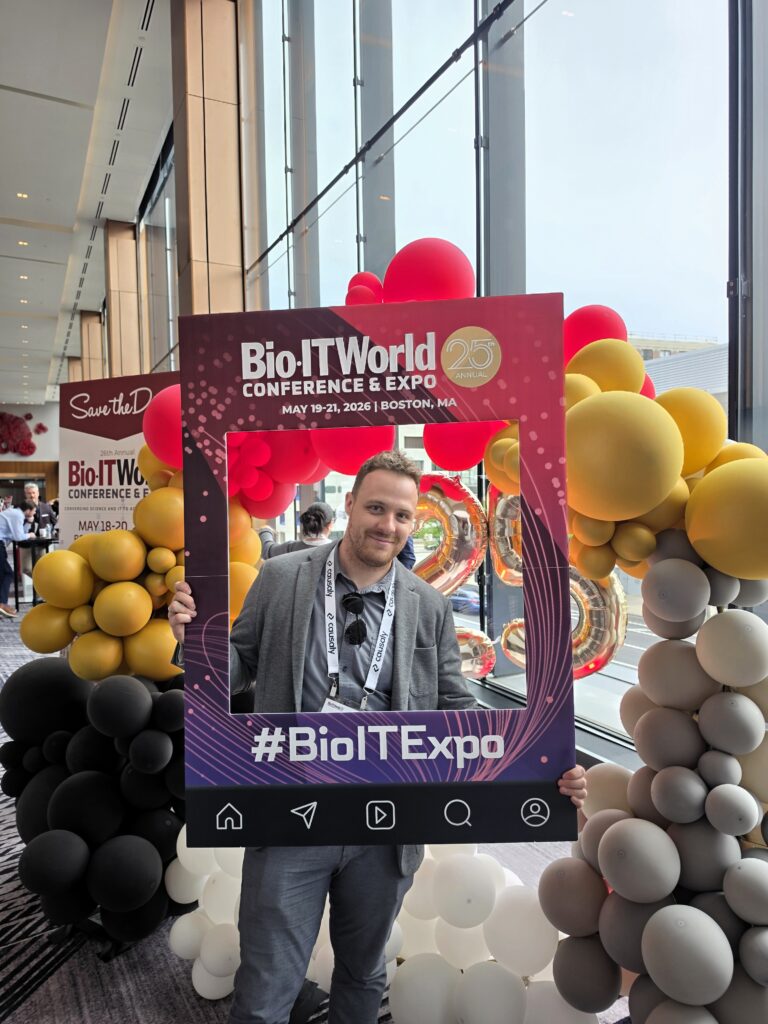
From May 19-21, 2026, three researchers from our Centre participated in the Bio-IT World Conference & Expo 2026 in Boston, one of the leading international events dedicated to the application of information technologies, data science, and artificial intelligence in biomedicine and precision medicine. ICCVS was represented by Adam Władziński, Kamil Kulesza, Katarzyna Wirzba.
During the conference, our researchers presented their research during the poster sessions:
• Adam Władziński, Kamil Kulesza presented a poster titled: „Validation artifacts dominate performance in cytometry and optical biomedical datasets”,
• Katarzyna Wirzba presented a poster titled „Interactive UMAP-Based Platform for Exploration and Quantitative Analysis of Flow Cytometry Data”.
Approximately 100 scientific posters were showcased throughout the event, providing a platform for researchers from academia and industry to share innovative approaches and recent advances in biomedical and data-driven research.
For 25 years, the Bio-IT World Conference & Expo has brought together experts from the fields of bioinformatics, biomedical data analysis, artificial intelligence, drug discovery, and precision medicine. The 2026 edition featured a comprehensive scientific program focused on the latest advances in AI-driven research, computational biology, data integration, laboratory automation, and innovative technologies supporting the future of healthcare and life sciences.
Participation in the conference provided an opportunity to showcase research conducted at ICCVS to an international scientific audience, exchange knowledge and experiences with experts from academia and industry, and establish new collaborations in the areas of biomedical research and data science.
The conference attendance was supported through the NSCLC Diagnostics – Algorithm (DIANA) project, which aims to develop a novel blood-based diagnostic method for non-small cell lung cancer (NSCLC) using machine learning and artificial intelligence to support the interpretation of complex biological data.
The implementation of the NSCLC Diagnostics – Algorithm (DIANA) project is supported by funding from the Medical Research Agency within the framework of the competition for scientific entities to carry out applied research in the biomedical area (2024 ABM/03/KPO) under the National Recovery and Resilience Plan, Component D: Efficiency, Accessibility and Quality of the Health System, Investment D3.1.1: Comprehensive Development of Research in Medical and Health Sciences.