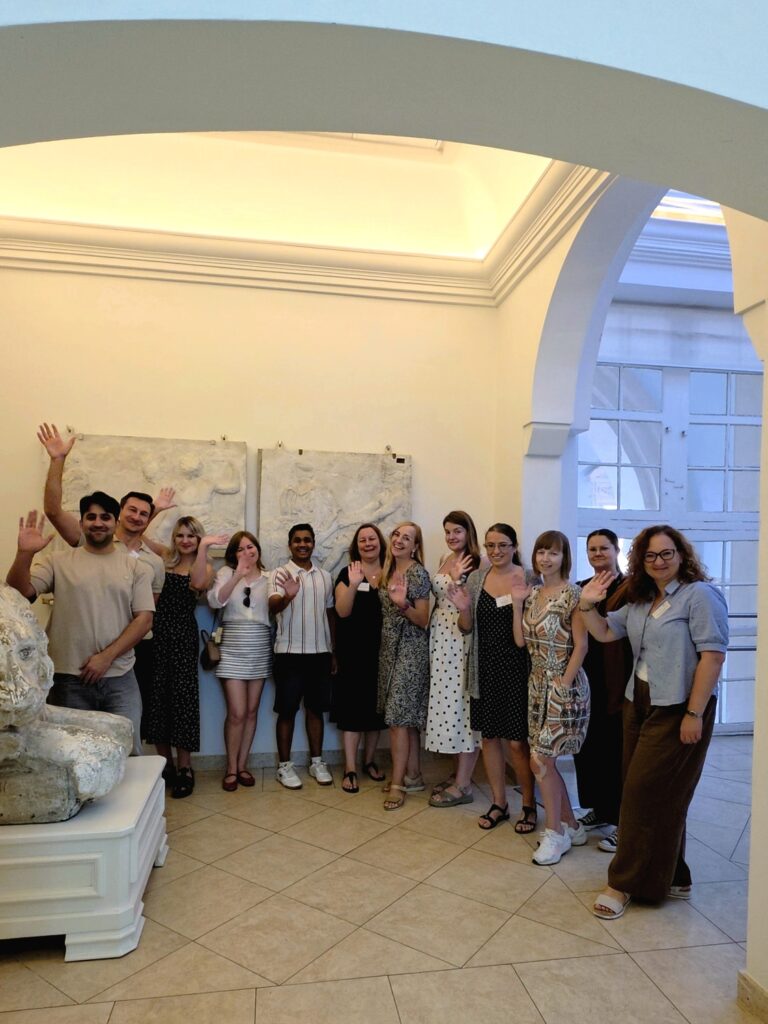
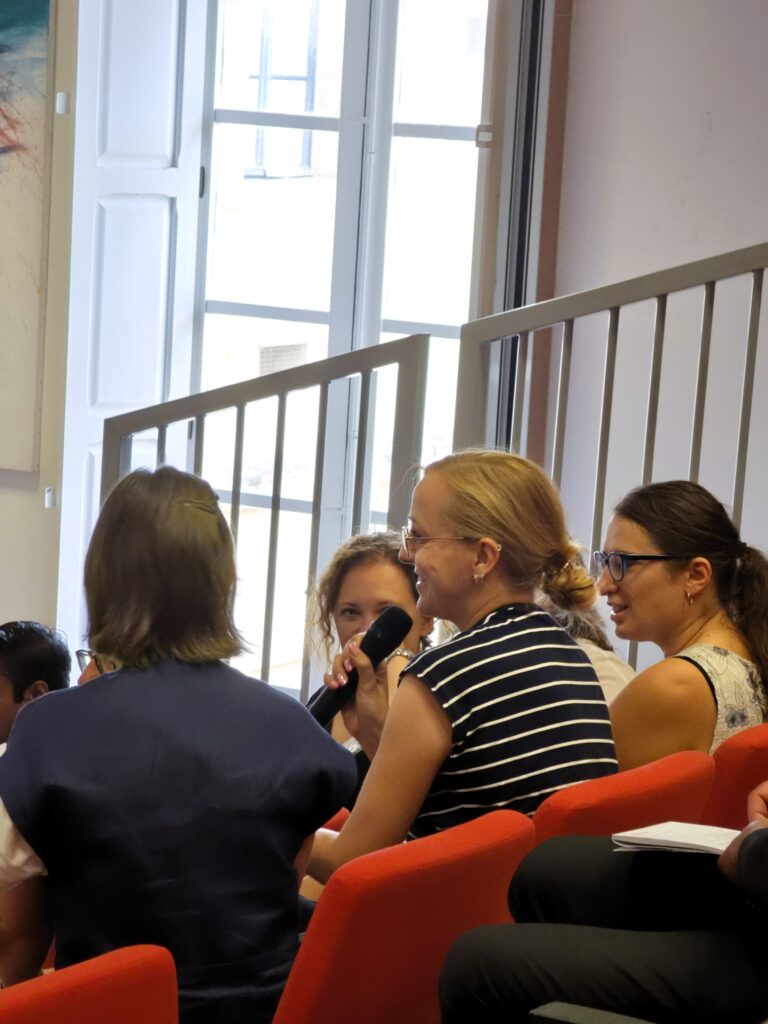
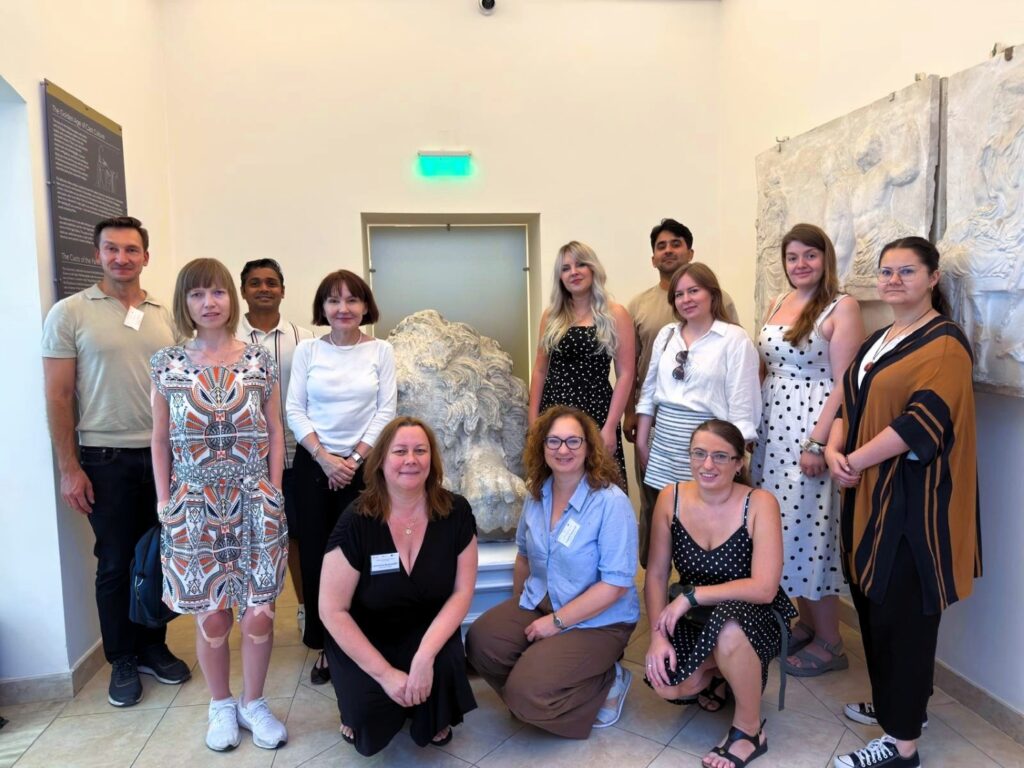
Artificial intelligence in science, the development of research and management competencies, the responsible use of new technologies, and the commercialisation of research results—these were the main topics of the ERA-Shuttle Summer School 2026. The event was attended by fifteen staff members from the University of Gdańsk, representing units such as the International Centre for Cancer Vaccine Science, the Intercollegiate Faculty of Biotechnology of the University of Gdańsk and the Medical University of Gdańsk (UG & MUG), the Faculty of Chemistry, the Faculty of Languages, the Faculty of Mathematics, Physics and Informatics, the Faculty of Social Sciences, and the Faculty of Law and Administration.
The five-day event took place on October 5–9, 2026, at the Valletta Campus of the University of Malta, focusing on the professional and personal development of individuals working within the European Research Area (ERA).
The summer school was organized as part of the ERA-Shuttle project under the theme Career and Personal Growth for Human-Centric Leadership in the European Research Area. The program combined expert lectures, practical workshops, panel discussions, and the exchange of experiences, focusing on how to develop a modern and responsible research environment.
In addition to representatives from our University, the participants included researchers and administrative staff from the University of Malta, the University of Split, and Odesa I.I. Mechnikov National University, trainers from ERA-Shuttle partner institutions, as well as individuals implementing other projects under the ERA Talents scheme, including EdTech Talents, Talent Pass, USE IPM, and SECURE-NET.
From Career Development to AI-Assisted Grant Proposal Writing
The first day of the event was dedicated to career development, professional resilience, and collaboration within the European scientific community. Participants discussed competencies necessary for leadership roles, career path planning, and building sustainable skills in an evolving academic landscape.
A key element of the program was the preparation of competitive grant proposals in the era of artificial intelligence. Following an introductory session, practical exercises took place, allowing participants to explore opportunities for leveraging new tools in the research proposal development process. The event also addressed the professional development of researchers and research managers, AI-related skills, and responsible preparation for operating in a society increasingly shaped by digital technologies.
Artificial Intelligence in Higher Education: Opportunities, Standards, and Responsibility
The second and third days of the summer school focused on the applications of artificial intelligence in higher education and scientific research. The schedule encompassed practical AI tool usage as well as ethical, legal, and organizational considerations involved in their implementation within higher education institutions.
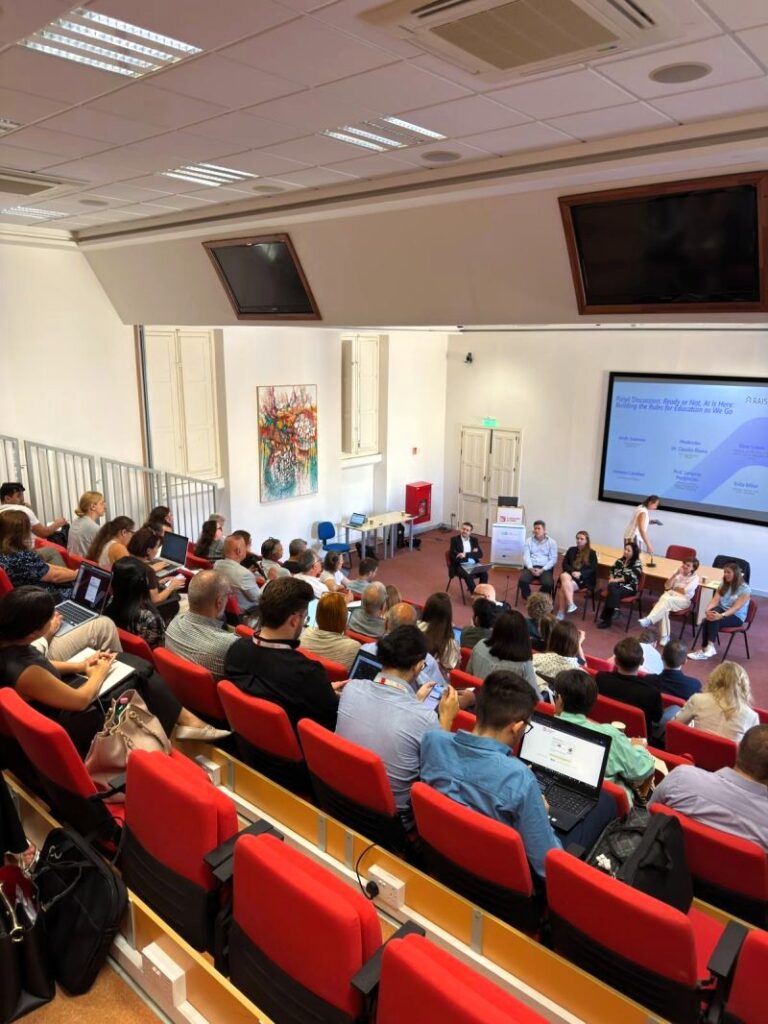
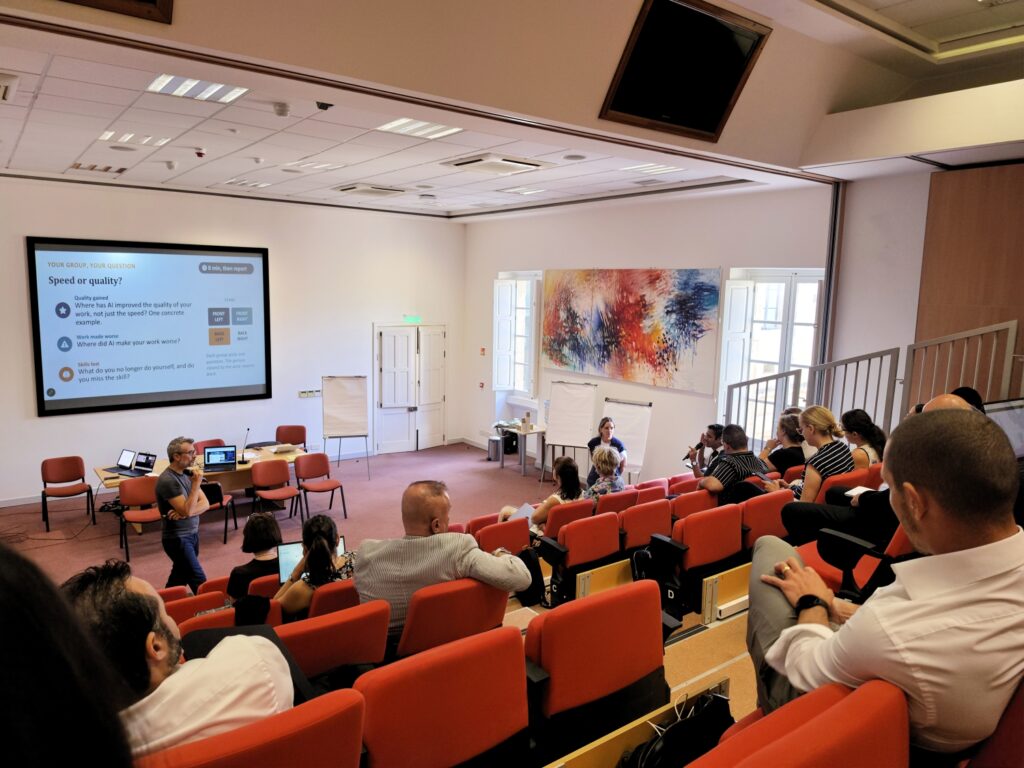
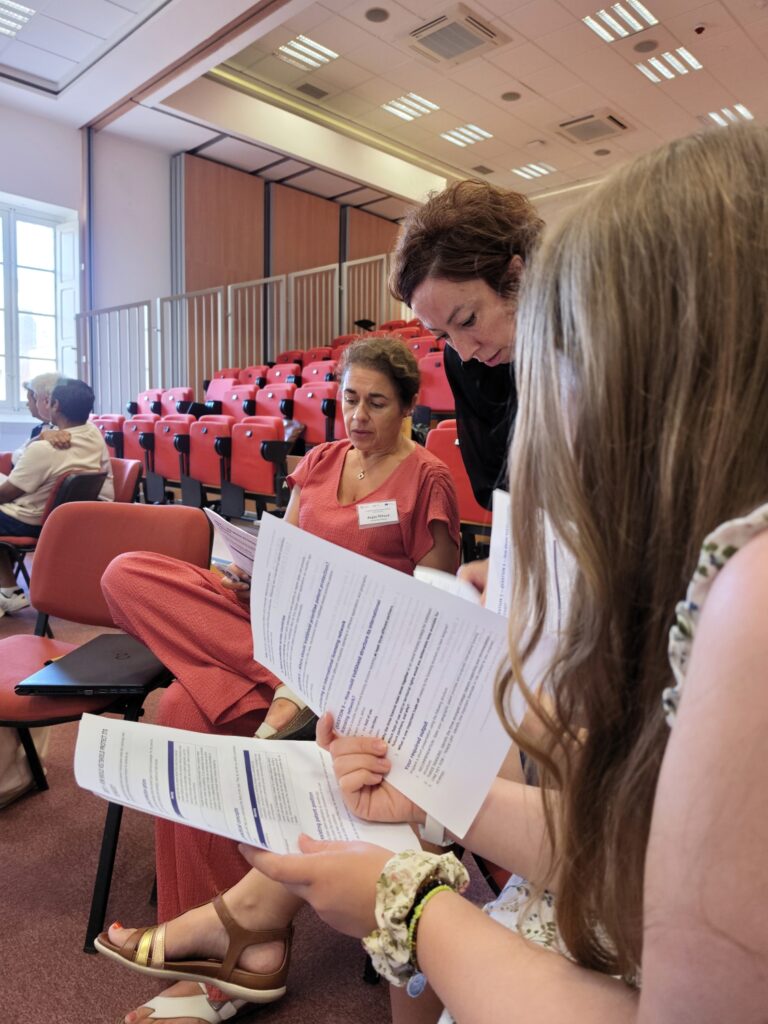
Participants engaged in a panel discussion regarding the establishment of guidelines for AI usage in education, followed by group work on topics such as:
- Ethical principles and frameworks for responsible AI deployment in academia;
- Guidelines for the use of artificial intelligence in higher education;
- AI tools supporting the work of academic teachers;
- Testing environments, known as AI sandboxes, enabling experimentation with AI solutions under university conditions.
Subsequent sessions were devoted to assistants based on Large Language Models (LLMs) and their application in research work. Discussions covered the use of these tools in literature reviews, writing and reviewing scientific papers, and grant proposal preparation. Participants also explored options for supporting project management, academic communication, and career development.
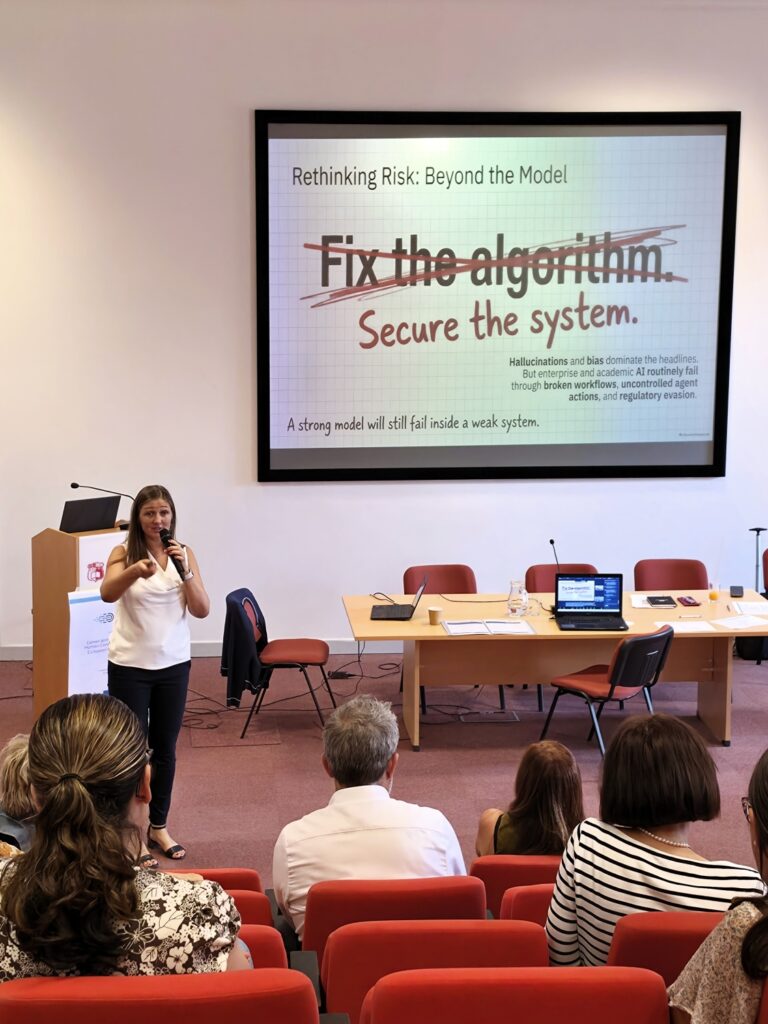
An important focus was data protection and the safe use of local AI solutions. The program also covered issues related to the EU Artificial Intelligence Act (AI Act) and ethical guidelines for implementing this technology in research. As a result, practical perspectives were integrated with reflections on the responsibilities of researchers and academic institutions.
From Cross-Sectoral Mobility to the Implementation of Research Results
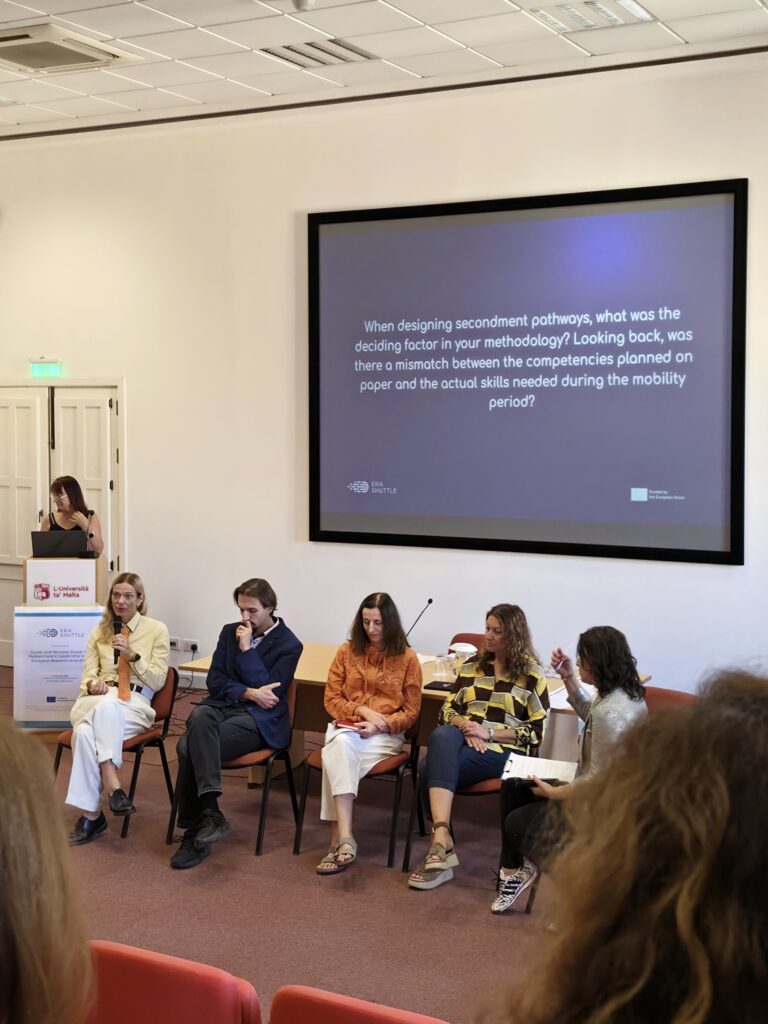
The fourth day was dedicated to the experience of projects funded under the ERA Talent call and the impact of cross-sectoral mobility on both personal and institutional growth. Presentations and panel discussions involving representatives from ERA-Shuttle, EdTech Talents, Talent Pass, USE IPM, and SECURE-NET analyzed the benefits of exchange visits and cross-sectoral collaboration, effective methods for building skills, and good practices supporting sustainable organizational change. Discussions also touched upon administrative barriers and challenges faced by institutions developing their research capacity.
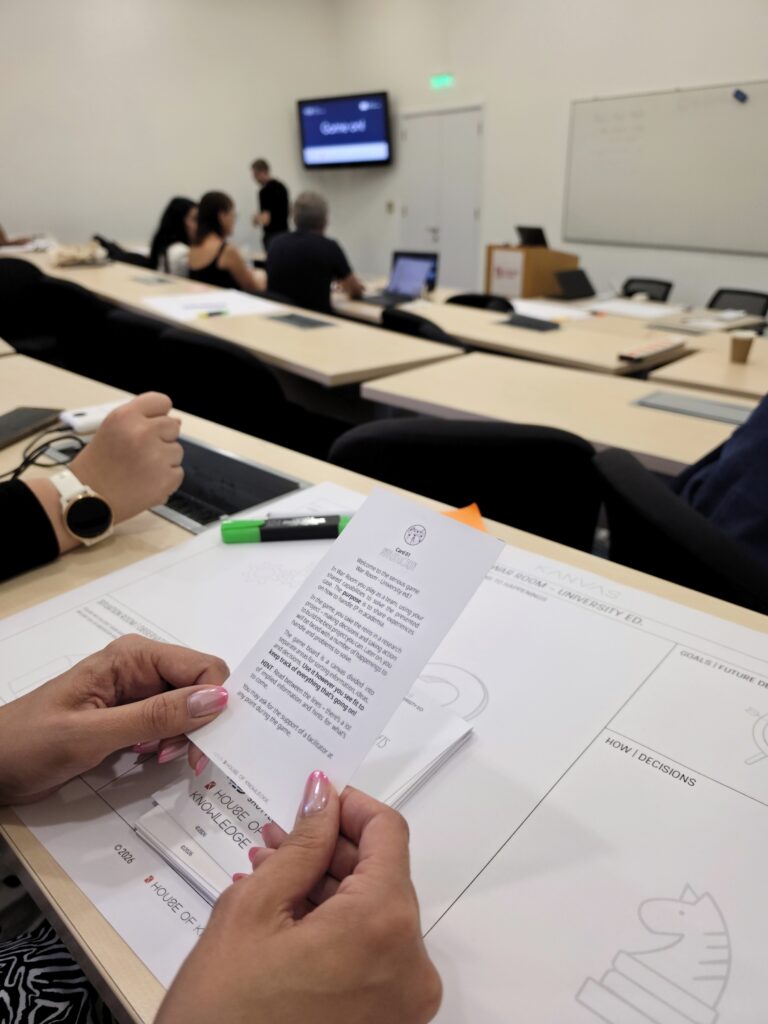
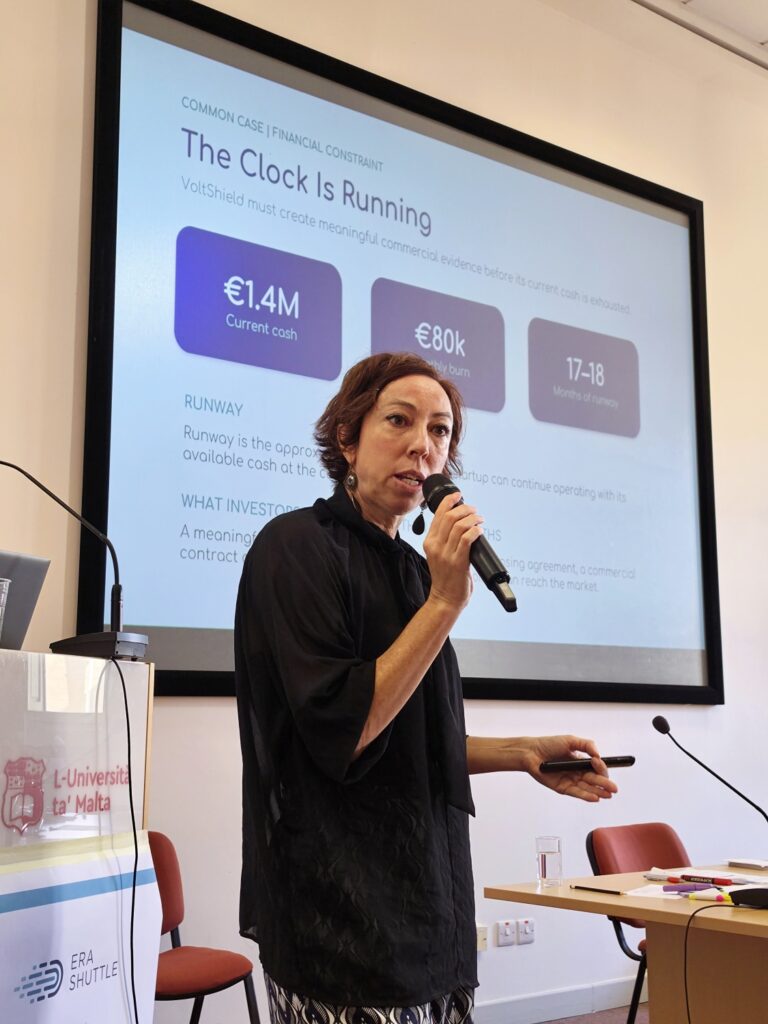
The program also featured an interactive business simulation focused on technology transfer. Participants examined processes that enable the translation of knowledge and research results into practical applications.
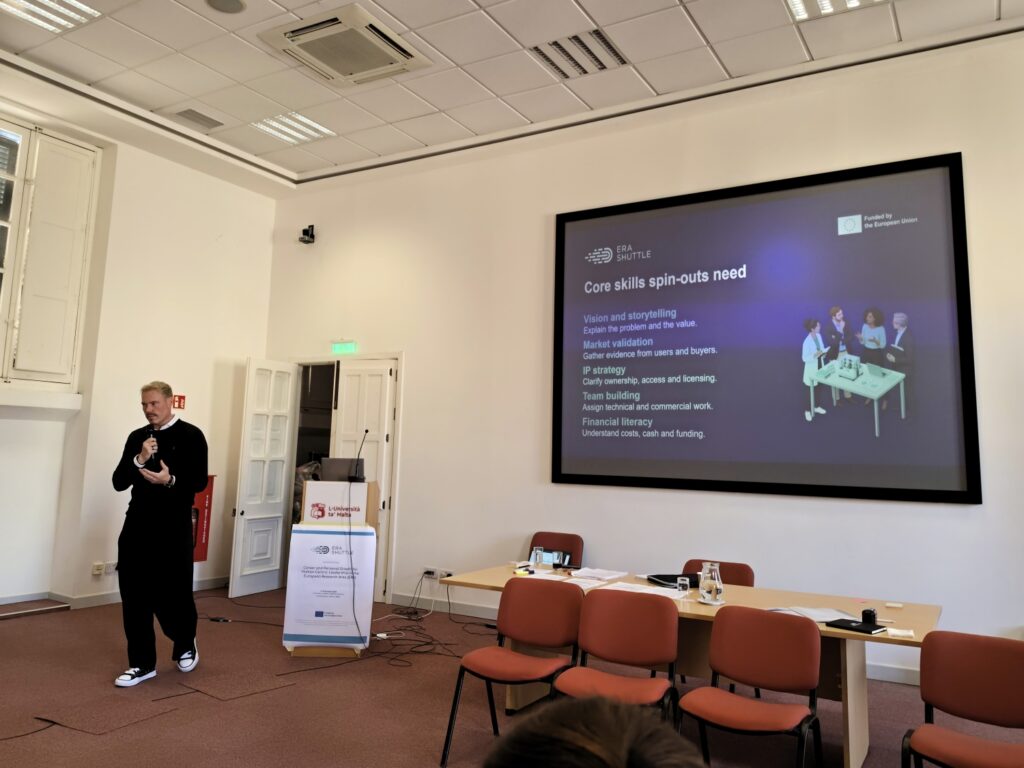
The fifth day focused on academic entrepreneurship and knowledge commercialization. Topics included the fundamentals of knowledge and technology transfer, fostering entrepreneurship, creating spin-off companies, as well as strategies for commercialization and intellectual property protection. Workshops demonstrated how to plan the exploitation of research outcomes and foster their economic and social potential.
European Collaboration and Skill Development at the University of Gdańsk
The participation of University of Gdańsk employees offered an opportunity to expand knowledge, acquire practical skills, and exchange experiences in an international forum. The summer school’s theme addresses key challenges facing modern universities, including digital skills development, the responsible use of artificial intelligence, enhancing the quality of research projects, and the effective implementation of scientific results. Funding was provided under the ERA-Shuttle project and ERASMUS+ training mobility grants. The international character of the event facilitated networking, exploring diverse perspectives, and identifying avenues for future collaboration.
“AI-based solutions are being developed at a rapid pace, and the standards for their safe and ethical use are evolving just as dynamically. I am glad I had the opportunity to attend lectures by experts dealing with these issues at the European level. The knowledge gained will certainly help update the content I deliver to students during lectures. I also greatly value the opportunity for cross-disciplinary exchange of experiences and perspectives, establishing inter-academic collaboration, and learning good practices in knowledge transfer to industry,” says Dr. Agata Motyka-Pomagruk from the Department of Plant Protection and Biotechnology and the Research and Implementation Laboratory at the Intercollegiate Faculty of Biotechnology of UG & MUG.
“Attending the ERA-Shuttle Summer School 2026 was an exceptionally valuable experience for me, combining the development of research competencies with reflection on the training of future teachers and translators. In light of an education and job market undergoing transformation due to artificial intelligence, it is becoming increasingly important to prepare students to critically evaluate AI-generated outputs and to make conscious decisions about its application,” adds Dr. Małgorzata Smentek-Lewandowska from the Institute of English and American Studies at the UG Faculty of Languages. “As a linguist, I gained particular value from the workshops dedicated to leveraging large language models in literature reviews, academic writing and peer review, and grant proposal preparation. The sessions combined practical tools and methodology with an in-depth discussion on ethical, legal, and data protection issues. I return with new ideas for classes that will allow students to examine both the potential and limitations of AI using real-world examples from their future professional careers. The summer school also reminded me how vital it is for academics and researchers to meet with peers carrying different experiences from various universities, countries, and disciplines. I have gathered new ideas, energy, and motivation to further foster interdisciplinary collaboration and to communicate the value of the humanities even more effectively both within and beyond academia.”
The Summer School 2026 was organized within the framework of the ERA-Shuttle project, which aims to strengthen research and innovation capacity, foster collaboration between the academic and non-academic sectors, and support talent development across the European Research Area. The University of Gdańsk is one of the project partners, responsible for activities related to capacity building and knowledge transfer. The Polish project team is led by Izabela Raszczyk, with Dominika Butkiewicz serving as Project Manager, both from the International Centre for Cancer Vaccine Science at UG.
Participation in the event at the University of Malta represents another step forward in expanding international cooperation and skills, empowering researchers, administration, and research support staff to execute ambitious projects while effectively leveraging new technologies.
Further information: